Back to Helpful Articles Wildlife & Animals

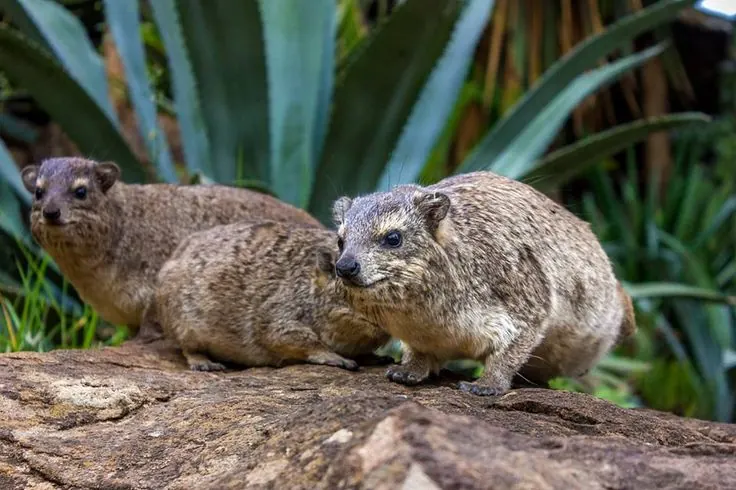
Tree hyraxes: Characteristics and habits

Tree hyraxes are nocturnal, forest-loving relatives of rock hyraxes, often noticed by their loud night calls.

Tree hyraxes: Characteristics and habits

Image source: Njiro Legacy Safaris media library

Detailed answer

Tree hyraxes spend much of their time in trees and are more often heard than seen. Their calls can surprise travelers at night because the sound is much bigger than the animal appears.

They feed on leaves, shoots, fruits, and bark depending on habitat. Forested parks and lodge surroundings can be good places to ask guides about them.

Because they are nocturnal, respectful listening is often better than trying to force a sighting with bright lights.

Quick planning notes

  • Listen after dark in forested areas
  • Ask guides to identify night calls
  • Avoid shining strong lights into trees
  • Treat small nocturnal mammals as safari highlights

How Njiro Legacy Safaris helps

Our team turns broad travel questions into a clear Tanzania itinerary with parks, accommodation, transfers, timing, and practical support arranged before you arrive.

Tell us your preferred travel month, number of travelers, comfort level, and dream experiences. We will recommend the route that fits your time and budget.

Get Free Safari Quote

Safari FAQ

Tanzania Safari Questions & Answers

Quick answers for travelers planning a private, group, family, luxury, midrange, or Zanzibar-connected safari with Njiro Legacy Safaris.

How much does a Tanzania safari cost?

The cost of a Tanzania safari depends on the number of days, parks visited, accommodation level, season, and whether the safari is private or group joining. Njiro Legacy Safaris can prepare budget, midrange, and luxury safari options based on your travel dates and group size.

Can I customize my safari?

Yes. All private safaris can be customized. You can choose the number of days, parks, accommodation style, airport transfers, Zanzibar extension, Kilimanjaro add-on, or special activities such as a balloon safari or cultural visit.

Is the safari private or shared?

We offer both private safaris and group joining safaris. Private safaris give you your own vehicle and driver-guide, while group joining safaris are shared with other travelers and can be more budget-friendly.

Can I start my safari from Zanzibar?

Yes. We can arrange safari packages starting from Zanzibar with domestic flights to Arusha, Kilimanjaro, or Serengeti, depending on the itinerary. We can also arrange a safari first and Zanzibar beach holiday afterward.

What is the best month for the Serengeti migration?

The Serengeti migration can be seen in different areas depending on the month. January to March is best for the Ndutu calving season. June to October is best for the dry season and river crossing areas, especially Northern Serengeti and Kogatende.

Do I need travel insurance?

Yes. We strongly recommend travel insurance for all travelers. It should cover medical emergencies, trip cancellation, baggage loss, flight delays, and safari-related travel interruptions.

What type of vehicle do you use?

We use 4x4 safari Land Cruisers with pop-up roofs for game viewing. The vehicles are designed for safari roads and provide good visibility for photography and wildlife viewing.

Are airport transfers included?

Airport transfers can be included depending on the safari package or quote. We can arrange pickup and drop-off from Kilimanjaro International Airport, Arusha Airport, or your hotel in Arusha.

Can children join the safari?

Yes. Children can join Tanzania safaris. We can prepare family-friendly itineraries with comfortable driving distances, suitable lodges, flexible timing, and activities that work well for families.

How much should I tip the safari guide?

Tipping is not compulsory but is appreciated. A common guideline is USD 10-20 per person per day for the safari guide, depending on group size and satisfaction with the service.